
Microdosing Psilocybin Mushrooms Guide
- Anxiety
- Concentration
- Depression
- Creativity
- Social Anxiety
- PTSD
- Stress Relief
- Mental Energy
- ADHD
- Motivation

Microdosing Psilocybin Mushrooms
The act of Microdosing has been shown to benefit or help with the following:
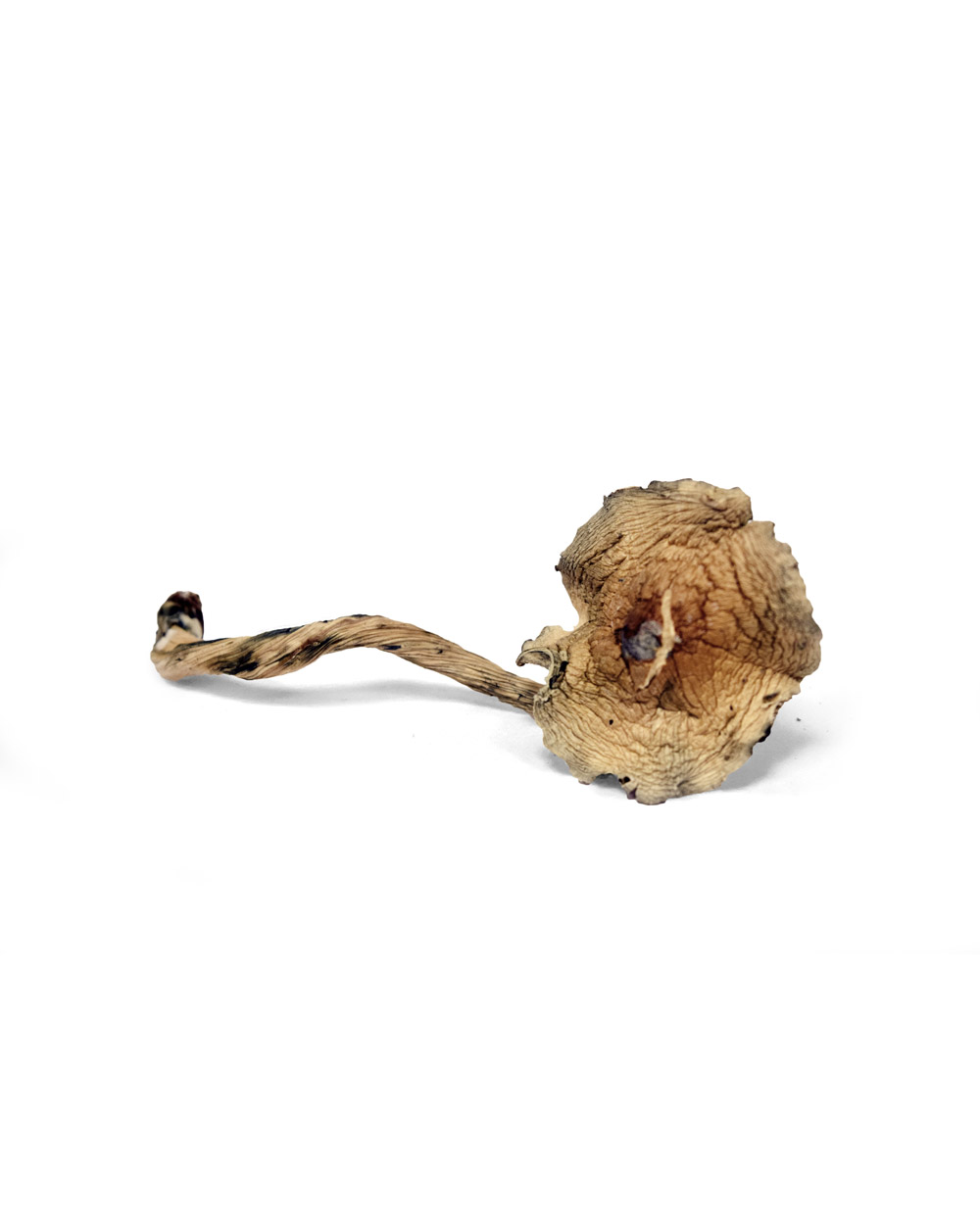
PSILOCYBIN
Microdosing Psilocybin Mushroomshas been used to aid in fighting depression and anxiety, while also increasing emotional empathy. It does this by mimicking serotonin by stimulating the “5-HT2A” serotonin receptor. Doing so increasesBDNF(Brain Derived Neurotrophic Factor), which plays a significant role in Neurogenesis.
Neurogenesisis the process by which new neurons are formed in the brain to make new connections and networks. Professionals used to believe that neurogenesis stopped occurring at the age of 25 and that the brains neuron’s actually decreased with age. This thought process has been tested by microdosing mushrooms, and many believe that we may have been wrong to believe neurogenesis can not occur later in life.
Psilocybin is one of few compounds known to cause neurogenesis by acting on the hippocampus, a complex brain structure that has a major role in learning and memory. The increased stimulation in “5-HT2A” also increases glutamate which is responsible for memory, general cognition, and learning. Microdosing psilocybin causes parts of the brain which would normally not communicate together, to communicate with one another. These brain connections are made by decreasing the activity in our Default Mode Network (DMN), which is often a very over-used part of our brain.
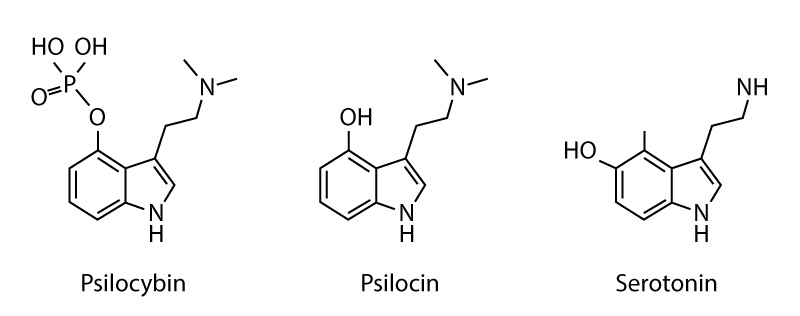
The DMN in our brains is responsible for numerous mental activities such as thinking about the past/future and self-reflection. With an over-stimulated DMN, our mental thoughts may often lead to those of a depressed or anxious state. Full-dose psilocybin has been shown in brain-imaging studies to disrupt communication between brain regions, including the default mode network, the system linked to repetitive, self-focused thought; the evidence at microdose levels is still preliminary. When default mode activity quiets, people tend to think in new ways that are otherwise harder to access. These new thought patterns help remove and forget about depressive thoughts altogether and allow people to be present in the current moment. This can also help people that suffer with PTSD, as they often are stuck in repetitive thought patterns.